

AI for Financial Institutions
AI that transforms your bank's entire digital ecosystem - from the customer journey, to the workflows behind it or the technology underneath. Modernize what already exists. Build what's next. One AI-powered cycle, from idea to production.

One AI layer. Multiple agents, built once, reused everywhere.
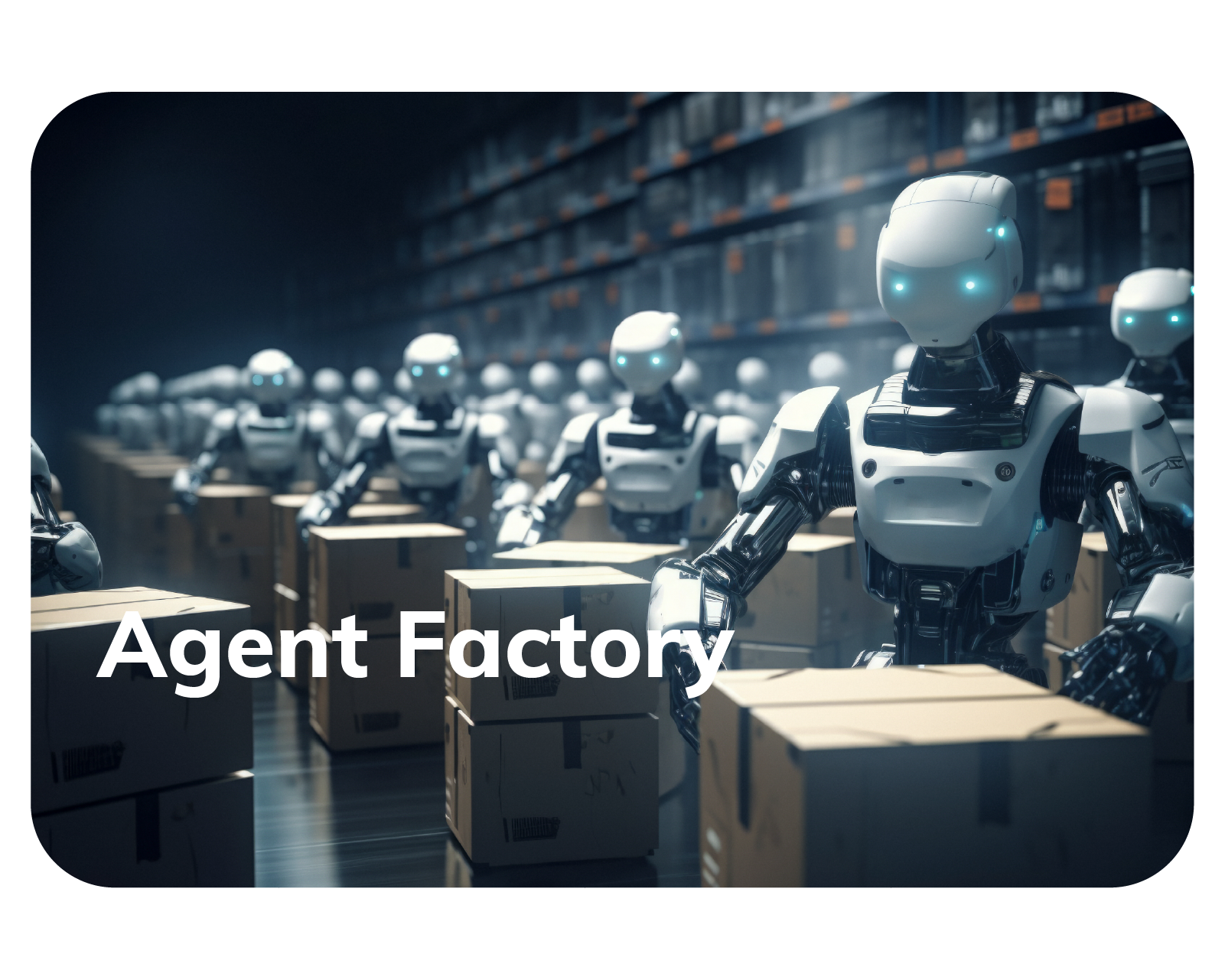
Every new AI capability doesn't need its own infrastructure built from scratch. An Agent Factory separates the AI layer - models, training, context - from the applications that use it.
New agents can be added without new projects, and capabilities built once get reused across the whole application ecosystem, whether accessed through APIs or conversational interfaces.
Não foi possível carregar a animação.

From Need to Result
Não foi possível carregar a animação.
Não foi possível carregar a animação.

An assistant that knows your bank - one costumer at a time.
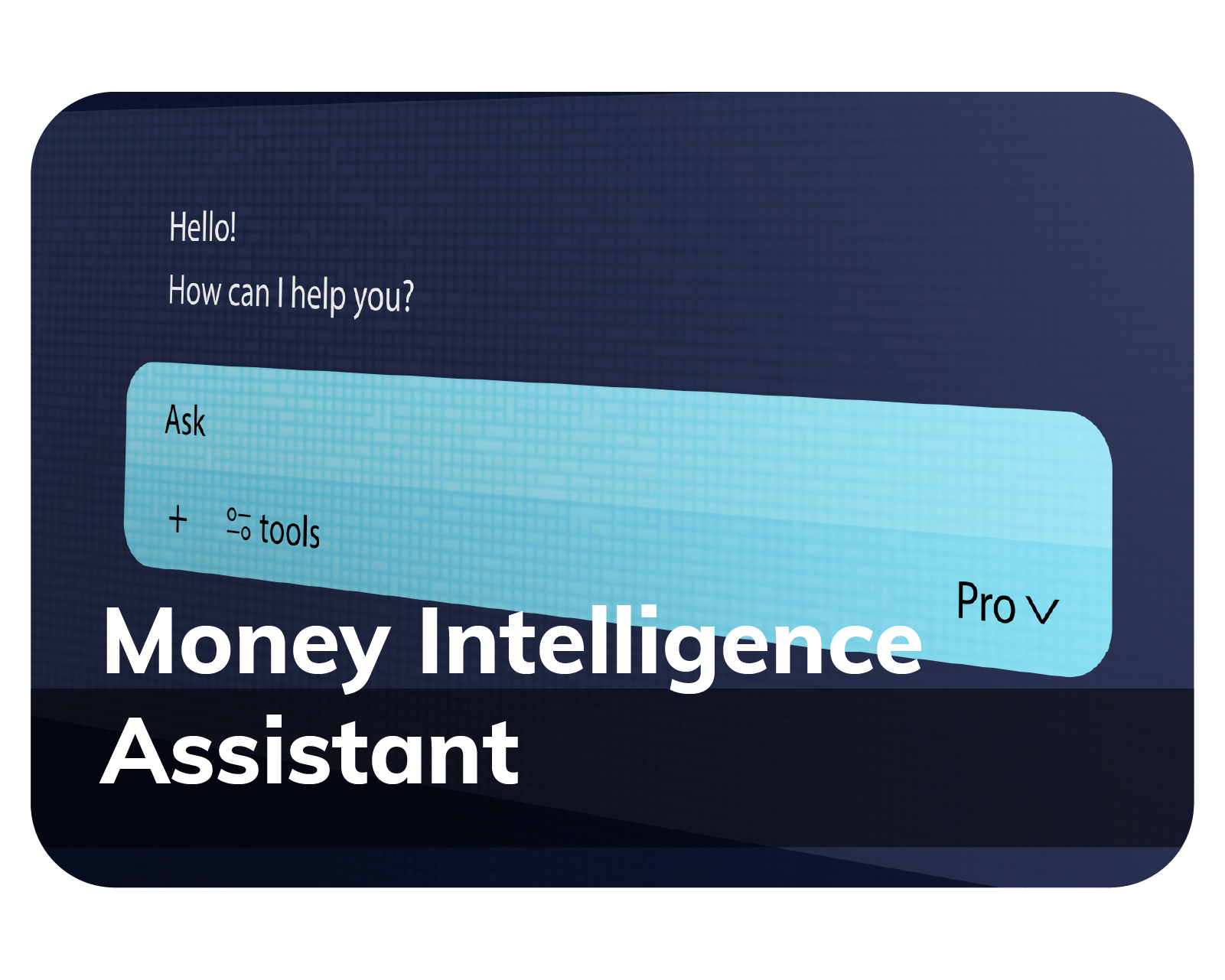
Assistants are seamlessly integrated into the bank's self-service, front-office, and back-office channels, supporting both customers and internal teams. Interactions happen naturally by voice or chat, without relying on predefined transaction flows, allowing flexible access to information and even trade execution.
By combining agents with domain-specific knowledge, the system interprets the context behind each request, supports multiple languages, and responds accurately in real time.

Modernize legacy code without the big-bang rewrite.
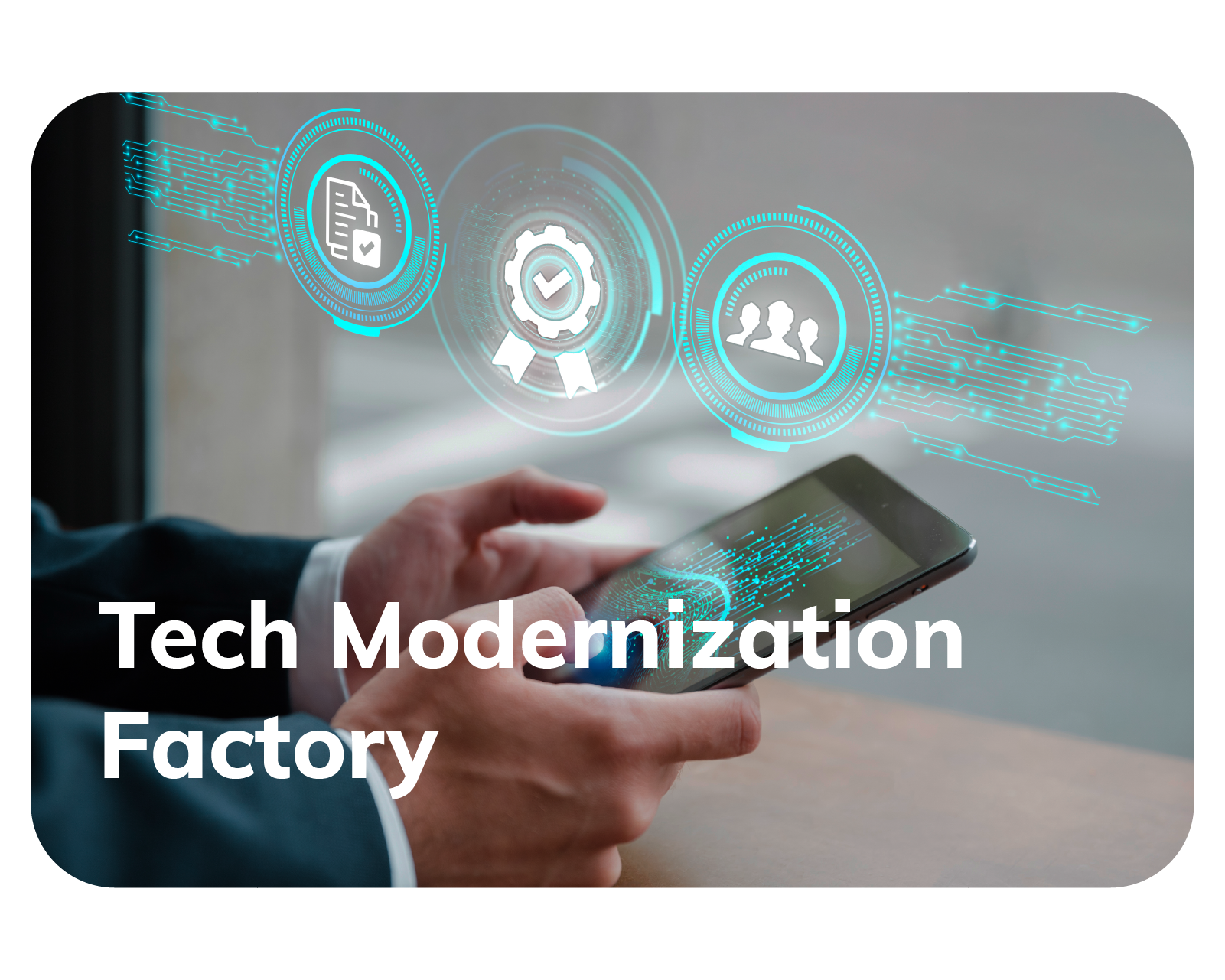
Multi-agent pipelines turn legacy code into structured documentation, then into a modern architecture, component by component.
Modernization doesn't have to mean a big-bang rewrite. The evolution can be gradual, prioritizing the modules that matter most, while an integration layer keeps legacy and modern components running side by side until the migration is complete.

Project at Glance
The challenge
Obsolete platforms and frameworks, undocumented over time - exposing the bank to unsupported systems, slower delivery, and security risks.
How we do it
Trained agents turn codebases into structured documentation, then into modern architectures.
Proof
80% of the new codebase generated automatically through an industrialized modernization factory.

From discovery to launch, agents do the repetitive work.
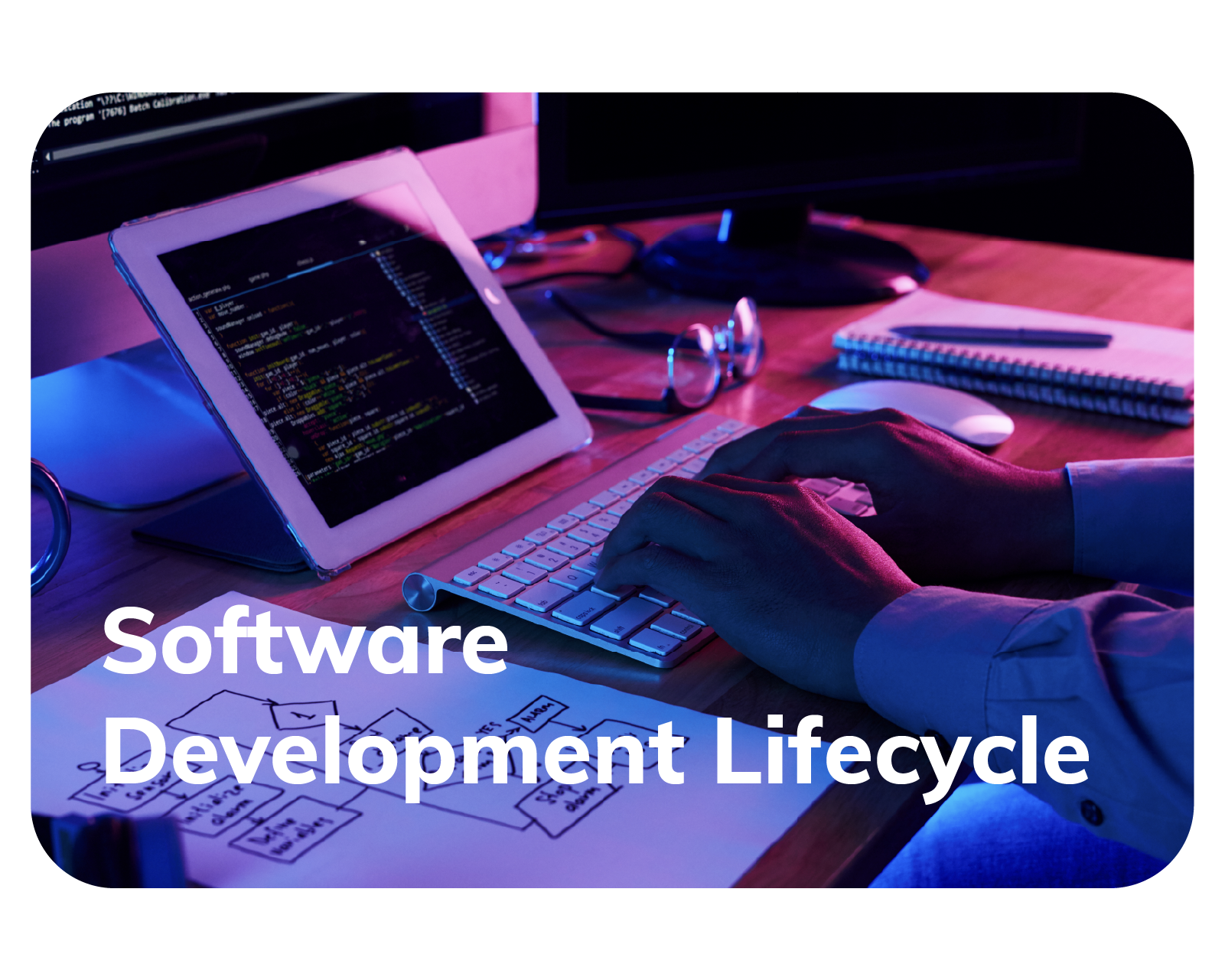
Specialized agents integrate into your existing SDLC toolchain - not a separate workflow, but embedded across every stage: discovery and conception, development, testing, and launch.
Rather than replacing the people who build and ship software, the goal is to remove the friction between stages, so agents handle the repetitive work and your teams focus on the judgment calls that actually require them.
Não foi possível carregar a animação.

Project at Glance
The challenge
Turning scattered requirements, code reviews, and testing into a bottleneck that slows every single release cycle for the whole team.
How we do it
Agents cover the SDLC end to end, from requirements to code to test automation, trained on your standards. The analyst moves from creating to reviewing.
Proof
A single three-hour run processed over 200 documents, extracting more than 2,000 features and 58,000 requirements with full traceability to source documents.